 G&S TruckingBin Rentals
G&S TruckingBin Rentals
G&S TruckingBin Rentals
When a job generates more waste than a driveway bin can swallow, the 20-yard is the one to book. It is the largest roll-off we run, and it exists for the jobs where swapping bins twice a week would cost you more in lost time than the bin does in rent.
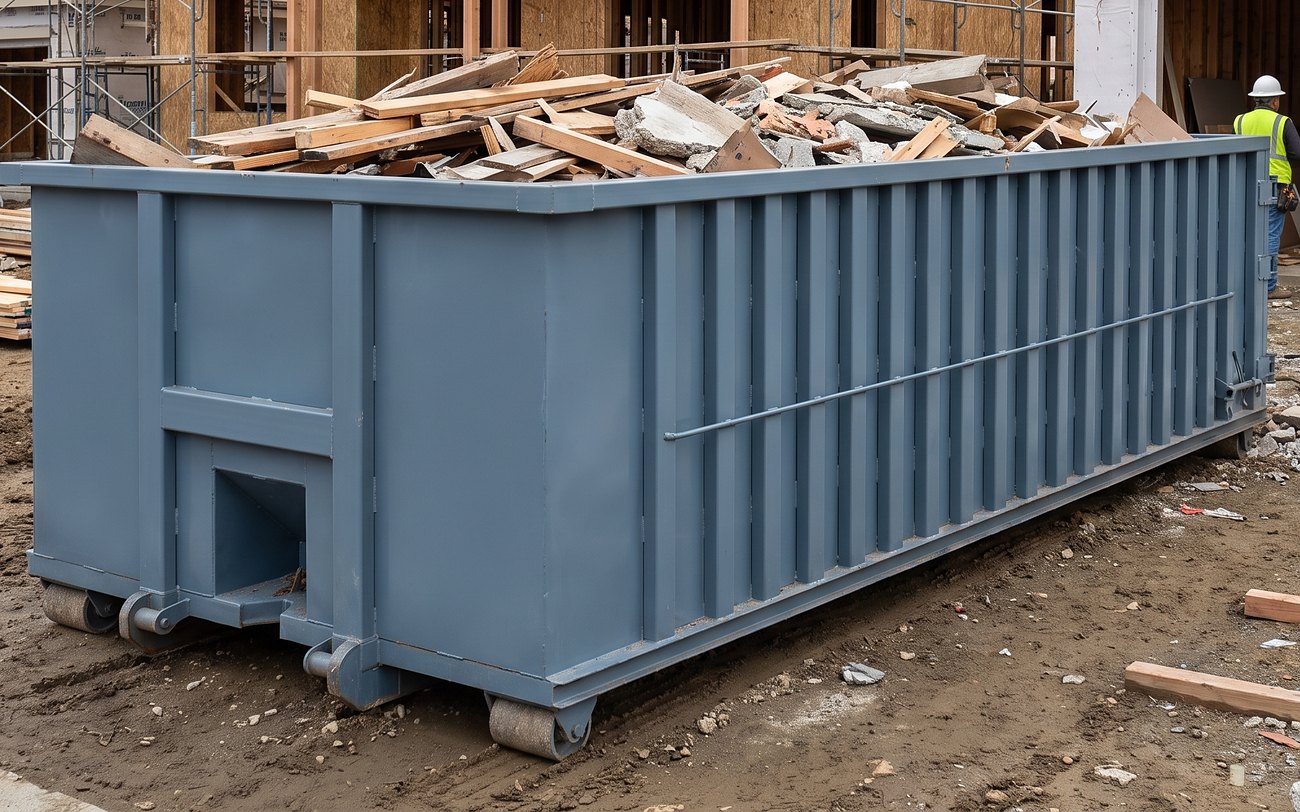 20 Yard
A full gut, a demolition, a multi-trade site running three crews at once — these produce waste in bursts, and the worst thing you can do is run out of bin on a Friday afternoon. Twenty yards gives you enough headroom that the bin stops being something anyone has to think about. Site supervisors tend to order this size once and forget it, which is the entire point.
Framing offcuts, sheathing, packaging and pallets pile up faster than almost anything else on site.
Interior strip-outs produce a huge volume of light, bulky material — exactly what a big bin is for.
End-of-project clearing where everything left over goes at once.
Several trades filling one bin across a long schedule.
Doing one of these? We have a guide for construction debris or full renovations.
Think bulk rather than weight. The 20-yard is sized for material that takes up room without being dense:
That is the figure worth holding on to when you are guessing at size. A standard half-ton bed holds somewhere around two cubic yards once it is properly loaded, so a 20-yard bin absorbs eight to ten of those trips. If you were planning to rent a trailer and make runs to the transfer station all week, this is the bin that replaces the week.
The 20-yard has the longest footprint of the three, and it needs clear run-out behind it — the truck has to roll the bin off the back, not lower it straight down, so the space matters as much as the parking spot. A standard double driveway handles it comfortably. A short or steeply sloped one sometimes does not, and it is worth saying so on the phone rather than finding out on delivery day.
Placement on private property is straightforward: a bin sitting on your own driveway needs no permit. If the only workable spot is the street, that is a different conversation — check with your municipality before the delivery is booked. In Ajax that means the Town of Ajax; every other GTA municipality runs its own process.
On rental length, the honest answer is that it depends on the job, so settle it up front — ask about rental length when you book and you will know where you stand before the bin arrives.
Three materials cannot go in this bin at any size: dirt and soil, concrete, and brick or block. A 20-yard bin filled with heavy fill would weigh several times what the same volume of renovation waste does, which is the whole reason for the rule.
If 20 yards sounds like more than the job needs, the other two sizes are worth a look before you book.
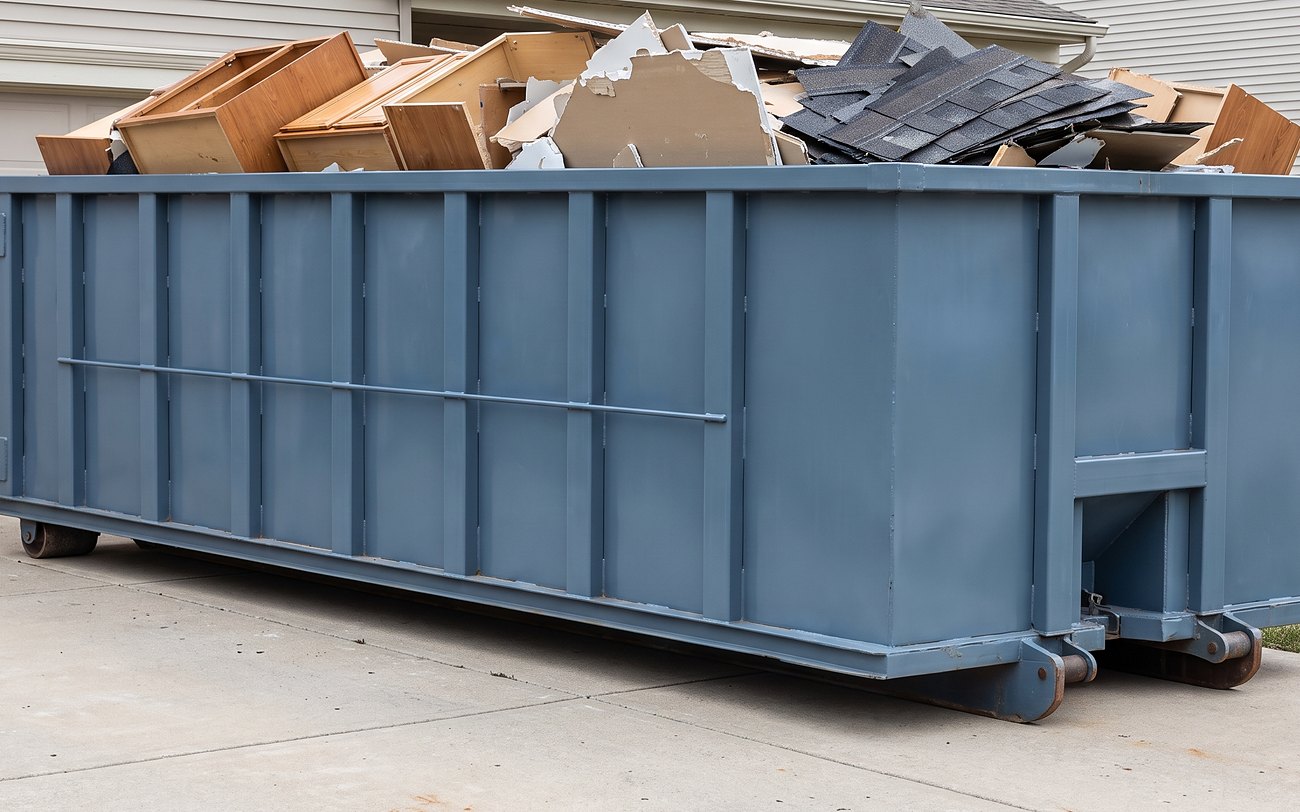 14 yd
14 ydThe go-to for renovations and roofing tear-offs — plenty of room without taking over the whole driveway.
See this bin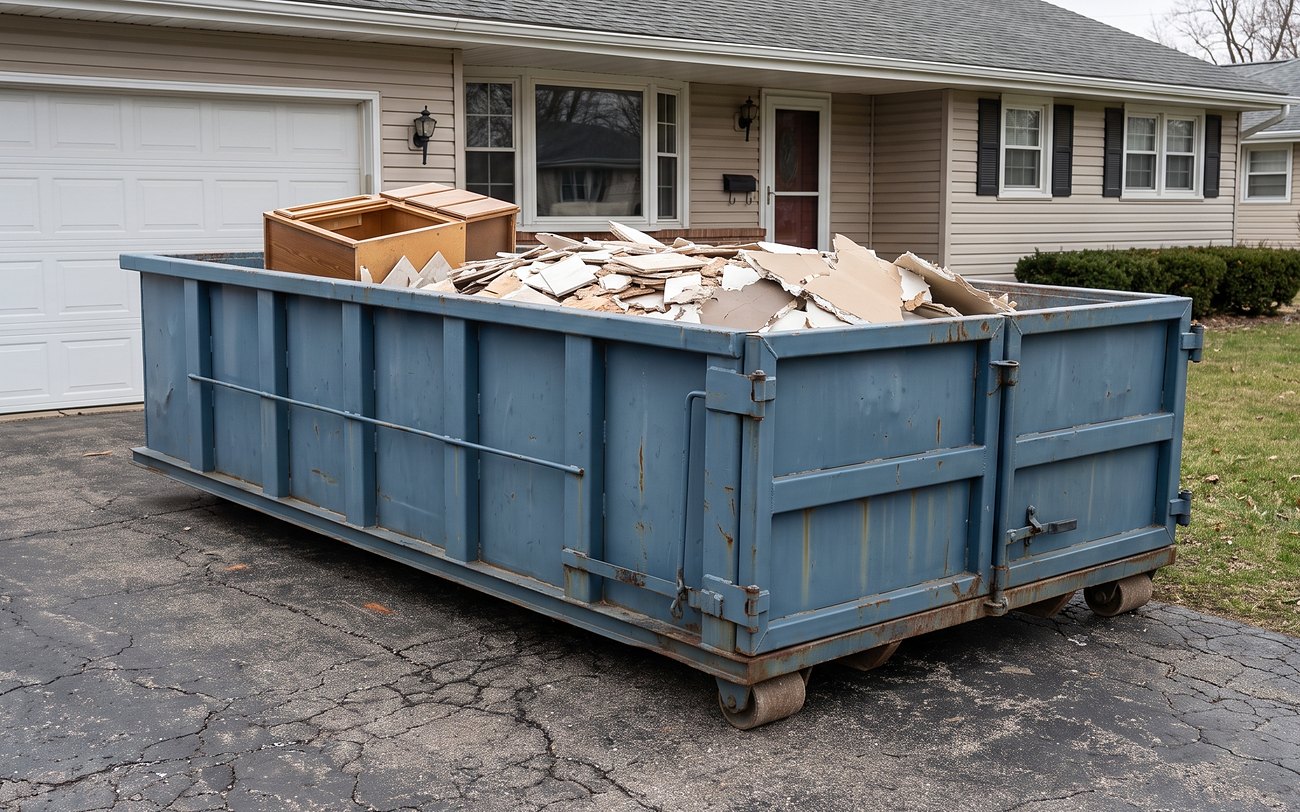 10 yd
10 ydA versatile mid-size bin for medium renovations, landscaping and general construction clean-up.
See this binRoughly eight to ten pickup-truck loads. For a typical residential gut job that is the contents of a whole floor, including the drywall. If you are weighing it against the 14-yard and the job is borderline, the larger bin usually works out cheaper than paying for a second swap.
On most double driveways, yes. The constraint is rarely the parking space itself — it is the clearance behind the bin for the truck to roll it off, plus overhead room free of branches and wires. Tell us what the driveway looks like when you call and we will tell you straight if it is going to be tight.
Not on your own driveway. A bin on private property needs no permit regardless of size. Street placement is the exception and is handled by the municipality — in Ajax, by the Town of Ajax.
Ask about rental length when you book. Bringing it up at the start means the schedule is agreed before the bin is on your site, rather than being renegotiated halfway through a job.
No — the load has to sit level with the top rail. Anything mounded above it cannot be covered for the drive, and an uncovered load is not something we can take onto the road. If you are close to the line, call and we will swap it.
Call and we will take the full one away and bring an empty. That is a normal part of a long job, not a problem — the only thing that causes trouble is nobody mentioning it until the crew is standing around with nowhere to put anything.
Send the details or call and we’ll price it flat and get it on your site.