 G&S TruckingBin Rentals
G&S TruckingBin Rentals
G&S TruckingBin Rentals
Three sizes covers almost every job, and picking between them is easier than it looks once you stop thinking in cubic yards and start thinking in pickup loads.
| Bin | Rate | Roughly holds | Typical job |
|---|---|---|---|
| 10-Yard Bin | Call for a rate | About 4–5 pickup-truck loads | Medium projects |
| 14-Yard Bin | $500 flat | About 6–7 pickup-truck loads | Renovations & roofing |
| 20-Yard Bin | $600 flat | Roughly 8–10 pickup-truck loads | Big builds & demolition |
A half-ton pickup bed holds somewhere around two cubic yards once it is properly loaded, which is where those load counts come from. If you were planning a weekend of trips to the transfer station, the number of trips you were dreading is the number to compare against.
Weight is the other half of the question and it works the opposite way. Light bulky waste — packaging, furniture, brush, framing offcuts — rewards a bigger bin. Dense material such as shingles reaches the weight a bin can carry well before it runs out of room, so going up a size does not always help. Dirt, concrete and brick are excluded outright for the same reason.
Pick the closest description. No guesswork, no form to fill in.
A single room rarely fills more than a 10-yard, and it is the easiest size to park.
More on this: Renovation bins
The 14-yard is the size we send out most, and it absorbs whatever turns up behind the walls.
More on this: Renovation bins
Weight rather than volume decides this one, so a bigger bin does not automatically help. Describe the roof when you call.
More on this: Roofing bins
Cleanout material is light and bulky, so a 10-yard goes further here than on any other job.
More on this: Cleanout bins
People consistently underestimate a full house. The second bin always costs more than the bigger first one would have.
More on this: Cleanout bins
Construction waste is bulky and light, so the largest bin fills with material rather than weight.
More on this: Construction bins
The argument here is swaps, not space — one large bin beats three small ones when a crew is waiting.
More on this: Renovation bins Construction bins
Green waste compresses, so a 10-yard covers most gardens. Soil and sod cannot go in at any size.
More on this: Yard waste bins
Capacity, what fits, placement and the questions we get asked about each one.
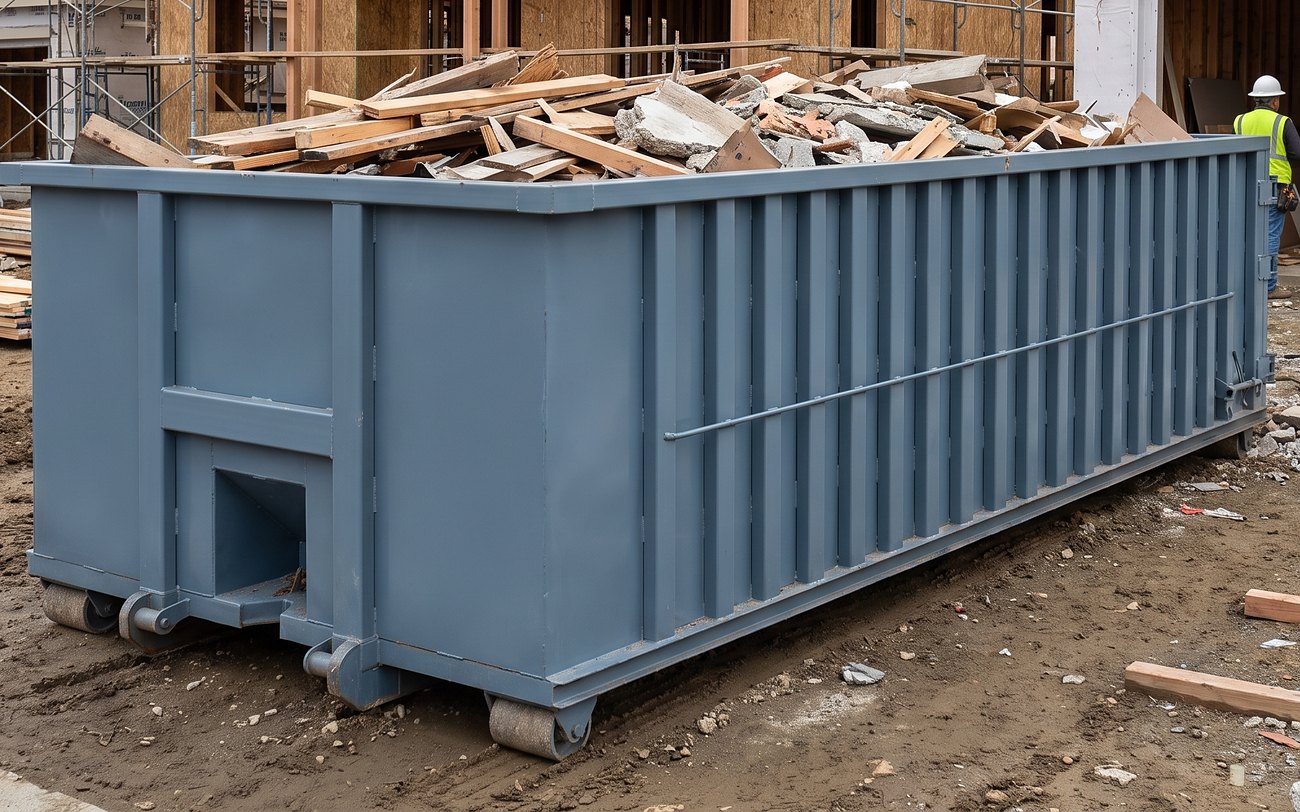 20 yd
20 yd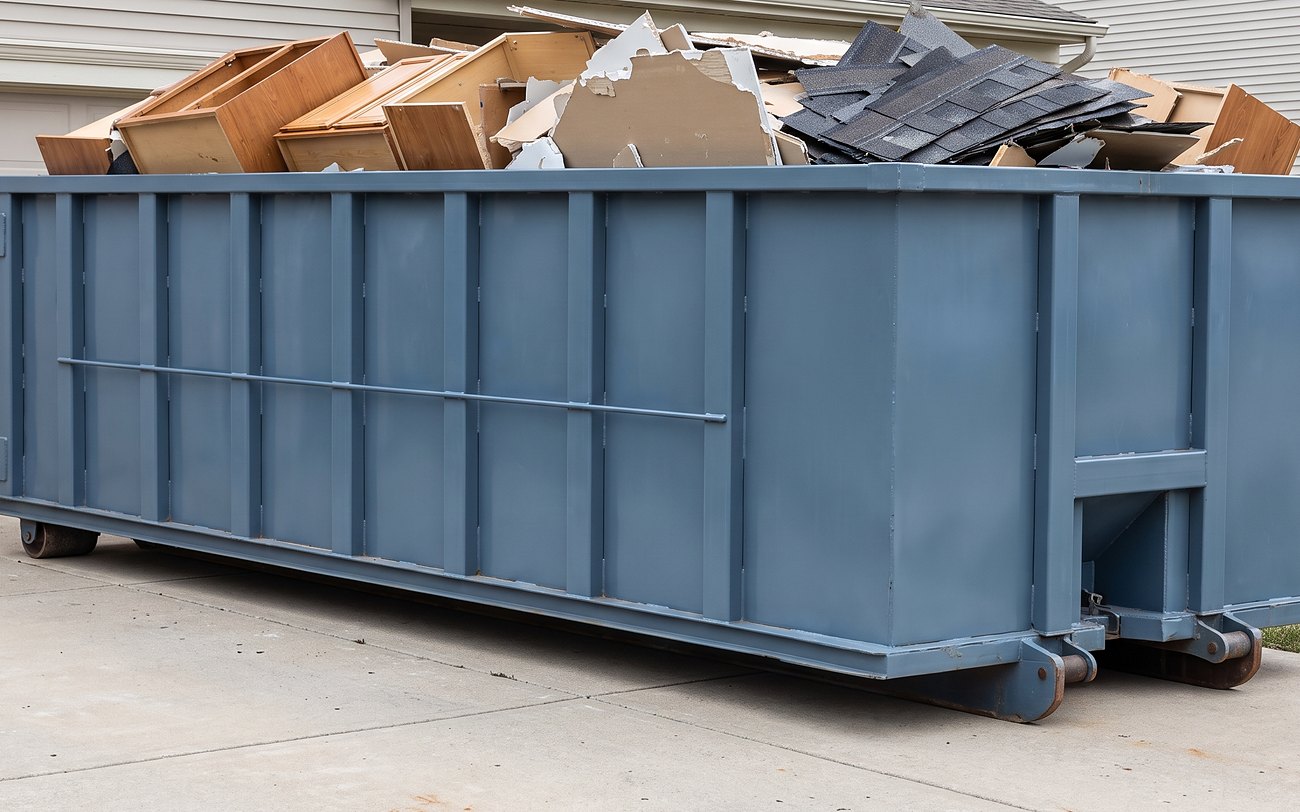 14 yd
14 yd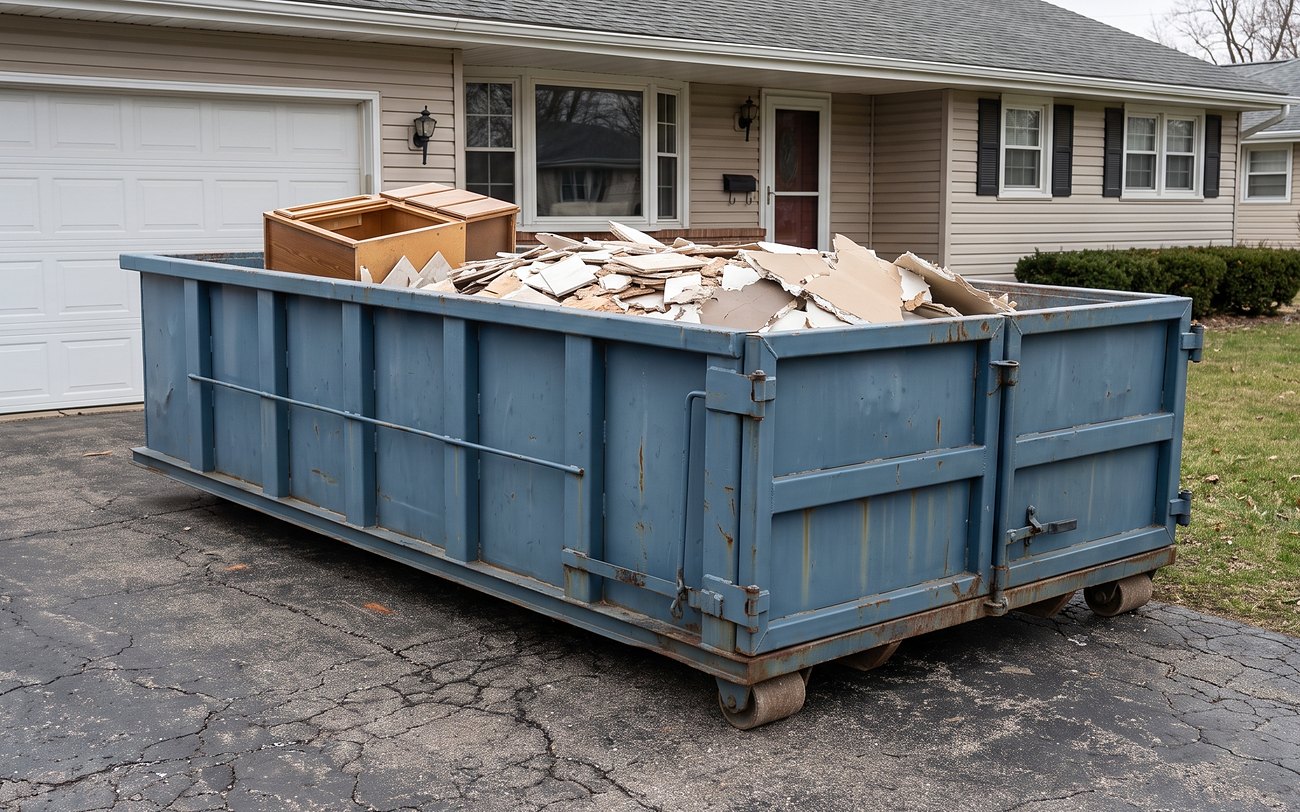 10 yd
10 ydStill not sure? The project pages go through it job by job, or just call and describe the work.
Describe the job and we’ll tell you honestly if you have chosen right.